
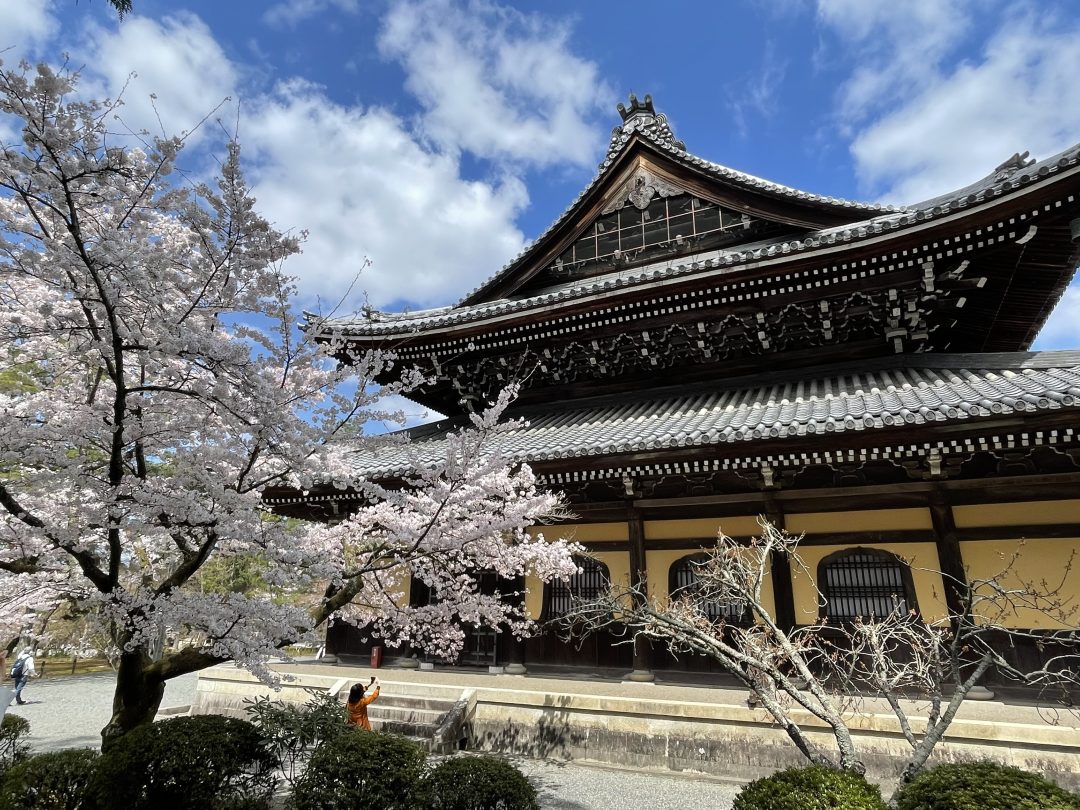
Visiting a Japanese shrine or temple? Learn what NOT TO DO, from sitting on shrine steps and stopping for photos to littering, smoking, and entering restricted areas. These simple tips will help you respect these special places during your trip to Japan.
Be considerate of other visitors
Don’t Stop in the Middle of the Path for Photos
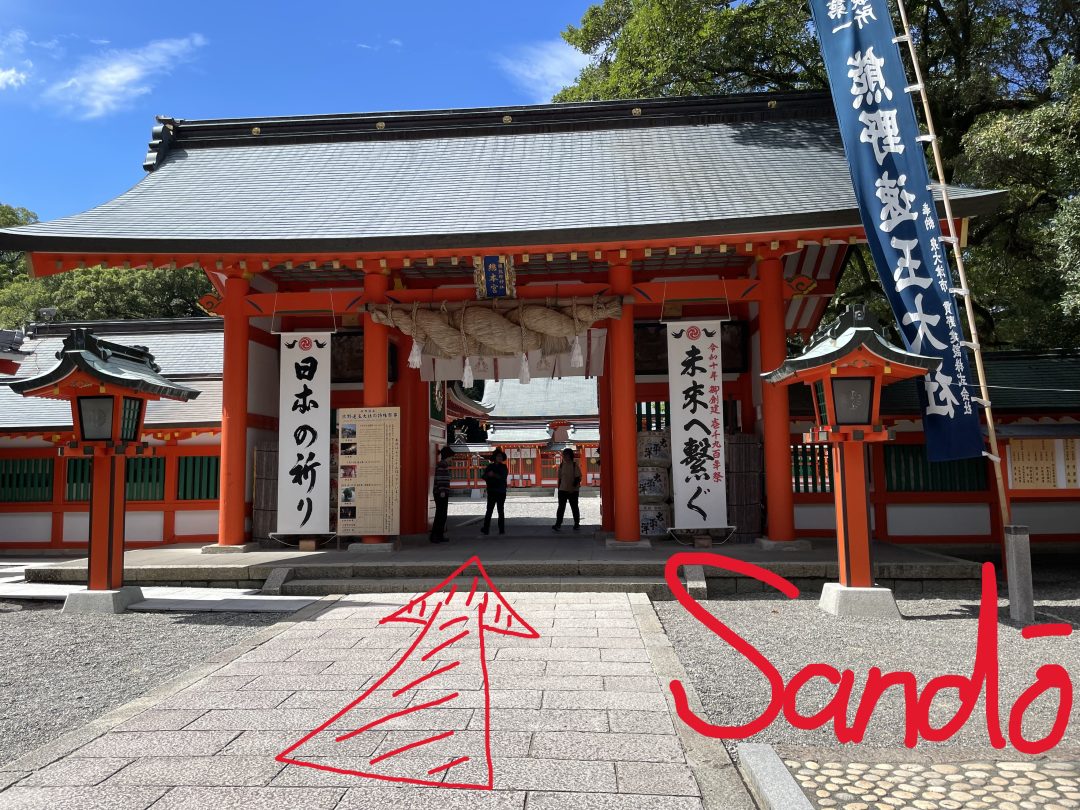
Paths at Japanese shrines and temples are used by visitors to come and go, so try not to block the way when taking photos.
At shrines, the main path leading to the shrine is called the Sando (参道). The center of the Sando is traditionally considered the path of the deity, so you should avoid stopping in the middle to take photos. Unless the shrine is crowded, it is also better to walk along one side of the path rather than in the center.
If you want to take a photo, step to the side and make sure there is enough space for other visitors to pass.
Don’t Sit on Shrine or Temple Steps
Shrine and temple steps are not places to sit and rest. They are part of the path used by visitors to reach the shrine or temple, so sitting on the steps can get in the way of other people.
At a shrine, the steps may also be part of the Sando, the sacred approach to the shrine. As explained above, the center of the Sando is traditionally considered the path of the deity. For this reason, sitting on the steps can be especially disrespectful, as you may be sitting directly on a sacred path.
If you need to take a break, look for a designated bench or other seating area instead. Even when the steps look like a convenient place to rest, remember that they are part of a religious site, not a public park.
Don’t Dance, Play Music, or Behave Loudly
Japanese shrines and temples are not public parks. They are places of worship, so visitors should behave respectfully while on the grounds.
Dancing or singing for social media videos may seem harmless, but doing so at a shrine or temple is similar to dancing or singing inside a church. Even if you are creating content for social media, remember that other people may be there to pray or enjoy the peaceful atmosphere.
People in Japan generally place a high value on keeping public spaces quiet. For example, speaking on the phone is generally discouraged on trains, and many people avoid talking loudly in public places. This same sense of consideration applies at shrines and temples.
For this reason, avoid playing music or making phone calls on speakerphone while walking around the grounds. Loud conversations, music, or phone calls can disturb other visitors and take away from the quiet atmosphere of the shrine or temple.
Keep the grounds clean
Don’t Smoke Where Smoking Is Prohibited
Many Japanese shrines and temples have traditional wooden buildings, which makes fire a serious concern. For this reason, smoking is prohibited on the grounds of many shrines and temples.
This includes heated tobacco products and e-cigarettes. Even if they do not produce the same kind of smoke or ash as traditional cigarettes, you should not assume that they are allowed.
Do not smoke while walking, and do not assume that it is okay to stop in a quiet corner and have a cigarette. If smoking is prohibited on the grounds, you should not smoke anywhere within the shrine or temple grounds.
If there is a designated smoking area, always use it. If there is no smoking area, wait until you leave the grounds and find a place where smoking is permitted.
A shrine or temple is a place of worship. Would you smoke inside a church? The same kind of consideration applies here.
Don’t Litter
Many Japanese shrines and temples do not have public trash cans on their grounds. This means you should not leave your trash behind just because you cannot find somewhere to throw it away.
For plastic bottles and cans, you can often find a recycling bin next to a vending machine. If you buy a drink from a vending machine, check for a nearby bin and use it if one is available.
For other types of trash, there are usually no general-purpose trash cans at shrines and temples. Take your trash with you and dispose of it later at a trash can in a shopping mall, convenience store, or other place where you are allowed to throw it away. You can also dispose of it at your hotel if appropriate.
A useful tip for travelers is to keep a small plastic bag from a convenience store and use it as your personal trash bag. Carry your trash with you until you find a proper place to dispose of it.
Never leave trash beside a bin, on the ground, in the bathroom or in a corner of the shrine or temple. If there is no trash can, the answer is simple: take it with you.

Respect buildings and nature
Don’t Treat Torii Gates Like Playground Equipment

A Torii (鳥居) is a traditional gate that marks the entrance to a shrine. It separates the ordinary world from the sacred space of the shrine.
A torii is not a piece of playground equipment like a climbing bar or swing. It is part of the shrine itself and can be thought of as part of the entrance to the home of the kami, or Shinto deity.
Never climb on a torii, hang from it, or use it like a dance pole for photos or social media videos. You should also never write, carve, or scratch anything onto a torii.
Don’t Damage Buildings, Trees, or Other Property

Many buildings at Japanese shrines and temples have cultural and historical value, and some are designated cultural properties. Never write, carve, scratch, or draw on them. Even a small mark can damage an important piece of Japan’s cultural heritage.
At shrines, nature can also have religious significance. Some trees and stones are traditionally believed to be places where Kami (Shinto deities or spirits) may reside.
You may see a tree or stone wrapped with a sacred rope called a Shimenawa (しめ縄). This rope indicates that the object has special sacred significance. In general, you should not remove, move, or damage the rope, or write on or alter the white paper strips (「紙垂」Shide) attached to it.
There are some exceptions, however. At certain shrines, you may find a sacred tree or stone that visitors are specifically allowed to touch because it is believed to bring good fortune or other blessings. In these cases, there will usually be a sign nearby explaining what visitors are allowed to do. Always check the sign before touching anything.
Also, do not assume that trees and stones without a Shimenawa are free to touch or damage. Never carve your name into a tree or stone, break off branches or leaves, or take pieces of nature home with you.
Follow the rules
Don’t Enter Restricted Areas
A shrine or temple is a sacred place, and not every area is open to visitors. Entering an area that you are not allowed to enter is not only bad manners, but can also be deeply disrespectful to the religious traditions of the site. If you see a sign that says 「立入禁止」 (Tachiiri Kinshi), it means “No Entry.” Never cross fences, ropes, gates, or other barriers to enter a restricted area.
At temples, gardens and ponds may also be off-limits. Do not walk into a garden or step into a pond just because there is no physical barrier. You should also never open or close sliding doors such as fusuma unless you are clearly told that you may do so.
If you are unsure whether you can enter an area, look for a sign or ask a staff member before going in. You can also learn more useful Japanese signs and words for traveling in Japan in our guide to essential Japanese signs, words, and phrases. When in doubt, stay on the visitor’s path and respect the boundaries of the shrine or temple.

Don’t Throw Coins Anywhere Other Than Designated Places
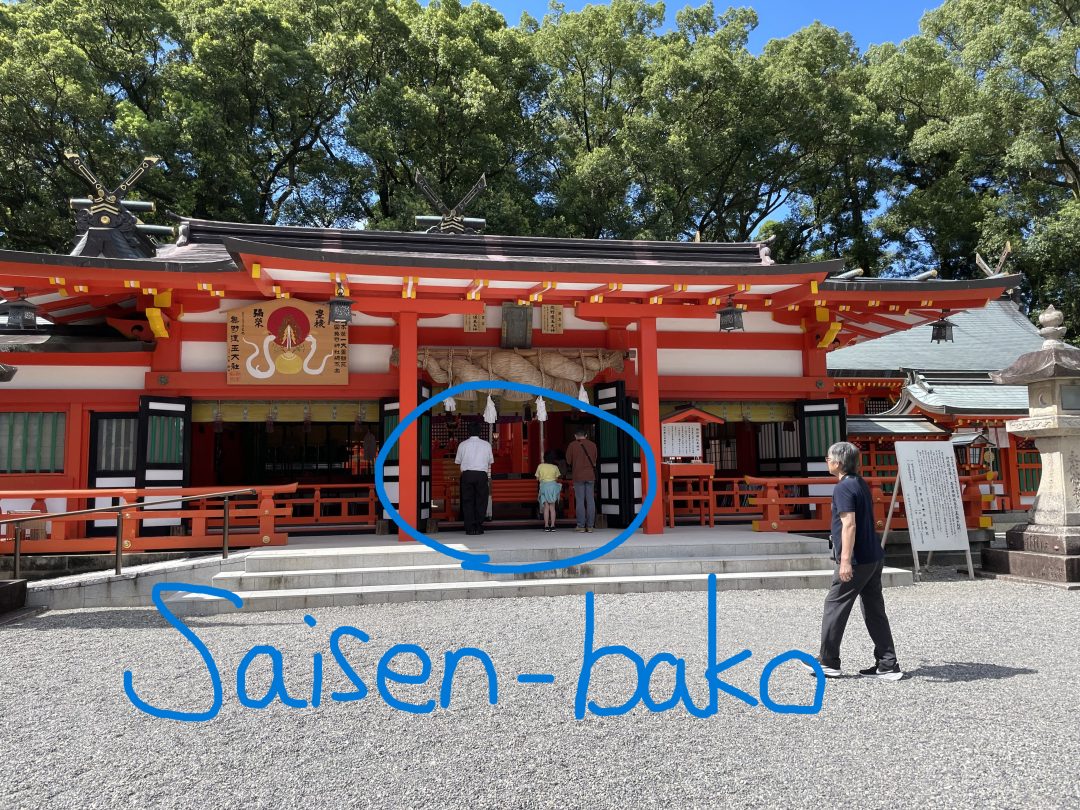
When making an offering, put your coins or banknotesinto the designated offering box, called a Saisen-bako (賽銭箱). You can usually find it in front of the main building of a shrine or temple. There is no fixed amount you have to give—you can use coins or banknotes, depending on what you wish to offer. If you are unsure what to do, watching what other visitors do can be helpful.
You may sometimes see coins thrown into ponds, around trees, or into other places around the grounds. Even if you see other people doing it, do not assume that it is allowed. Do not copy the behavior just because “everyone else is doing it.”
Some shrines and temples have special places where throwing coins is part of a particular tradition. If visitors are allowed to put coins somewhere other than the offering box, there will usually be a sign explaining what to do. Always follow the instructions at the site and only place your offering where it is designated.
In Conclusion: Respect the Sacred
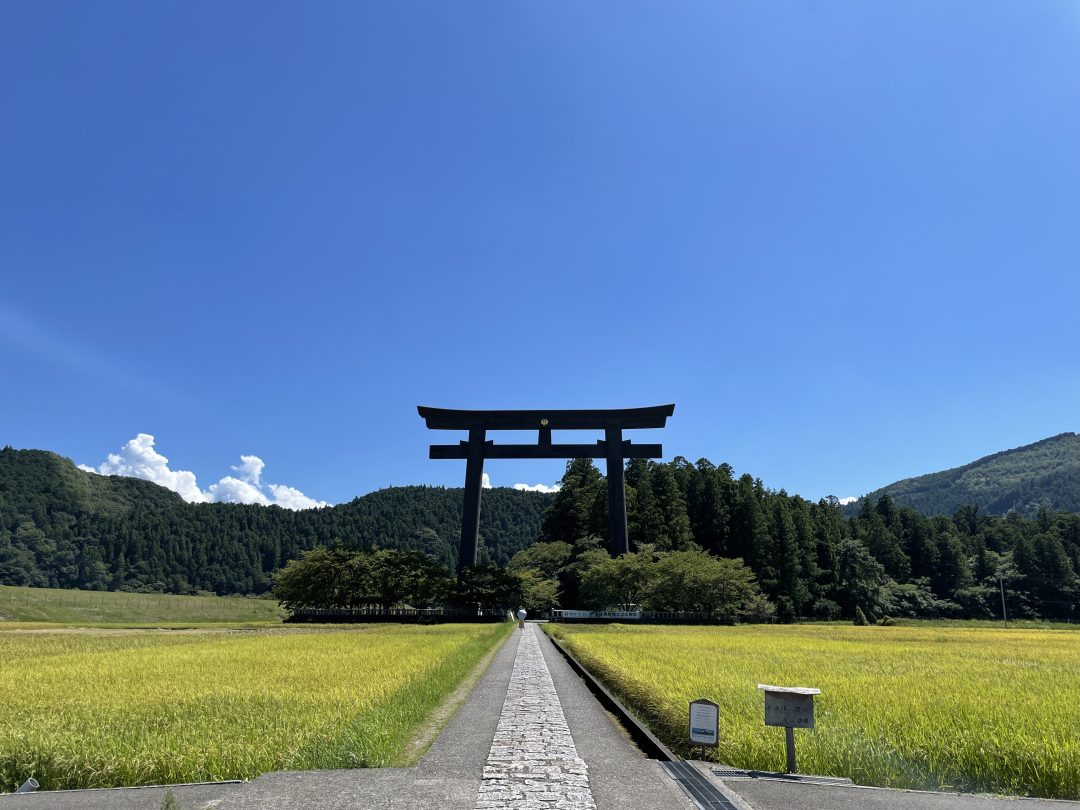
Taking photos and videos at Japanese shrines and temples is generally fine, and you do not need to be overly nervous about every little thing you do. However, there is one simple rule to keep in mind: if you would not do something in a sacred place belonging to your own religion, you should not do it at a Japanese shrine or temple either.
Most international visitors to Japan are not familiar with Shinto or Buddhism, and you may be visiting a shrine or temple simply as part of your sightseeing. That is perfectly fine. You do not need to share the same religious beliefs to appreciate these places.
Just remember that shrines and temples are more than tourist attractions. They are places of worship and have deep cultural and religious significance. Take your photos, enjoy the atmosphere, and explore—but do so with respect for the place and the people who come here to pray.

Have any questions? Feel free to ask in the comments!